Restaurants, cafes, and food service businesses face a specific set of customer experience challenges. The post-sale gap is real — and it's costing you repeat visits you're not tracking.
Food service has its own dynamics: high transaction frequency, immediate emotional reactions, and the gap between a customer who had a bad experience and one who simply doesn't return.
The customer's experience happens in real time, but the feedback — if it comes at all — arrives too late to do anything about the specific visit. Most complaints end up on review platforms, not with you.
A satisfied restaurant customer has a natural reason to return — they need to eat again. Yet most restaurants do nothing to convert that natural inclination into an actual visit.
The customer leaves and you have no way to reach them. No contact information, no mechanism to follow up, no channel to communicate when you have something relevant to offer.
When something goes wrong, customers often share it publicly before — or instead of — telling you directly. Without a clear resolution channel, the public complaint is the only option they see.
Without structured feedback, you're making menu, service, and operational decisions based on intuition and occasional comments — not on what your customers are actually telling you.
Getting a new customer to walk in for the first time costs significantly more than getting a known customer to return. Yet most hospitality marketing is focused entirely on acquisition.
Each component is designed around the specific dynamics of food service: visit frequency, the emotional nature of dining experiences, and the operational constraints of a busy kitchen and floor.
Sent at the right moment after the visit — short enough to get completed, specific enough to be useful. Captures the experience while it's still fresh.
A clear, direct path for customers to raise issues with you — before they take it to a review platform. Defined response times, documented resolutions.
A structured program with simple incentives — calibrated to your margins — that gives satisfied customers a specific reason to come back within a defined window.
Planned touchpoints tied to relevant moments — new menu launches, seasonal offerings, special dates — that feel timely rather than promotional.
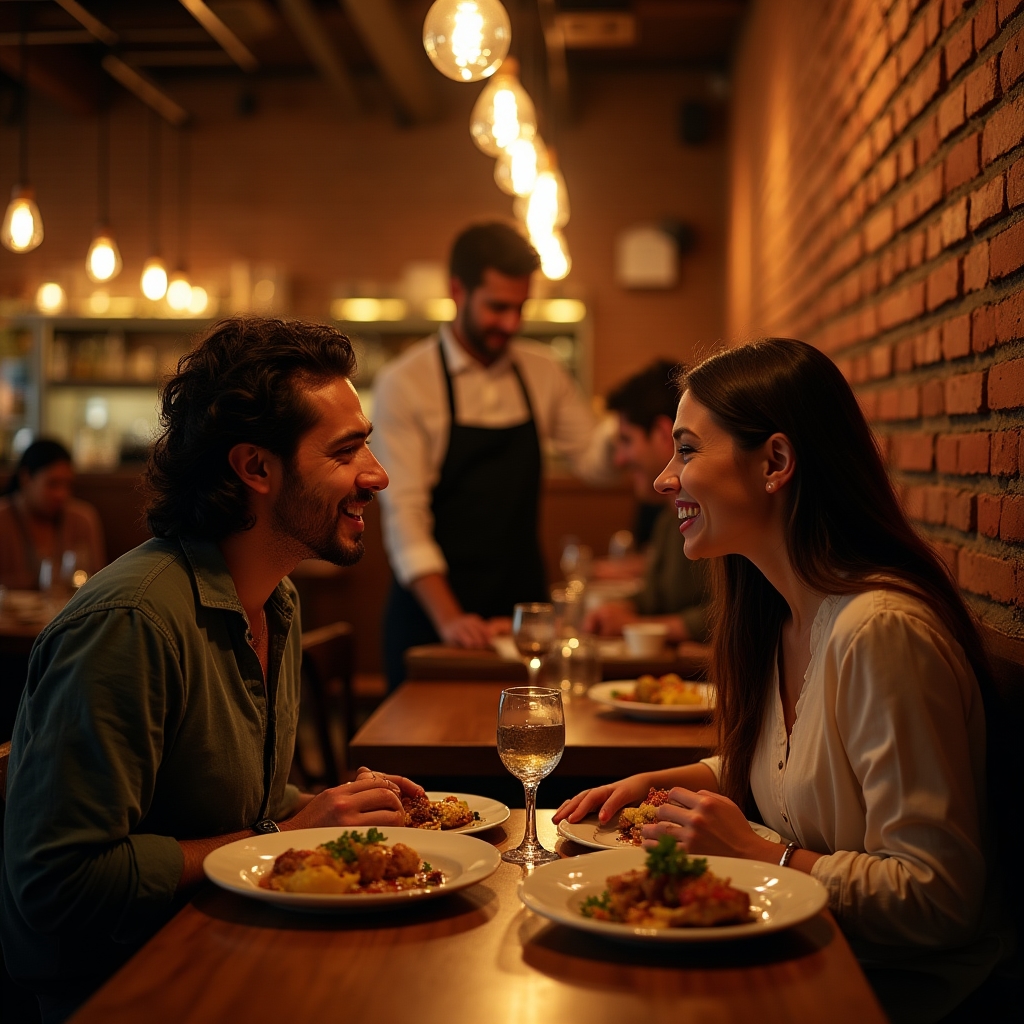
Mid-size and independent restaurants where the dining experience is the product and repeat customers are the foundation of the business.
Neighborhood cafes and specialty coffee shops where regulars are everything — and where one bad experience can break a habit.
Food businesses operating primarily through delivery channels, where the post-order experience is the only touchpoint you control.
Venues where the social experience is central and where converting a first visit into a regular habit is the key commercial challenge.
The free diagnosis is specific to your type of business. We look at what happens after the customer leaves your venue — and what's possible with the right systems in place.